Here’s where you might want some type of cable at home.
Most of us don’t give a second thought to the web of wires that criss-cross our entertainment centers. As long as everything is working as intended, the whole process is often out of sight, out of mind. But having a clear picture of what all those components do can help you get the most out of your setup.
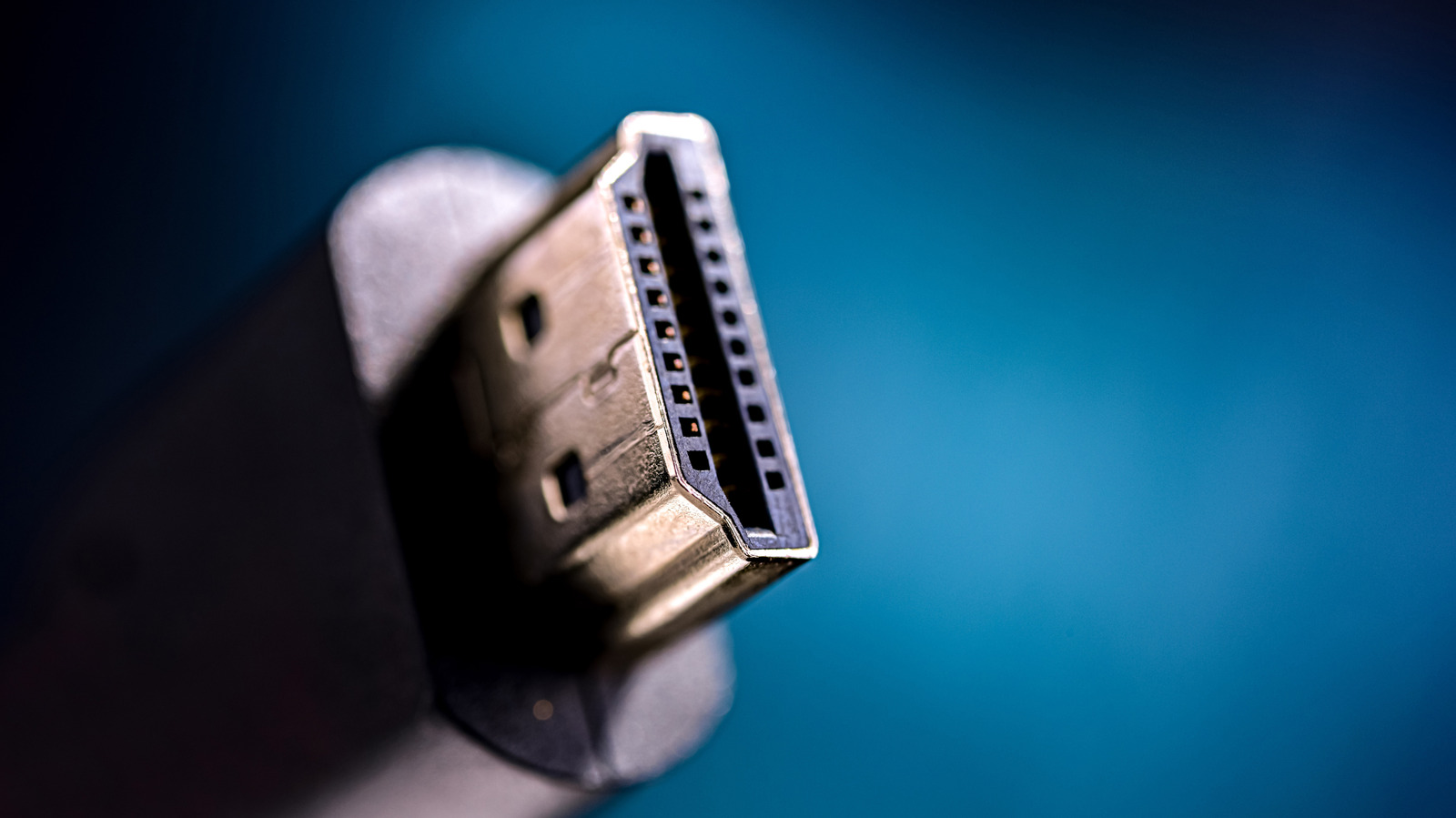
One of the workhorses of your living room is HDMI, which stands for high-definition multimedia interface. It is one of the most common cable standards used to transmit both audio and video signals, giving it a high presence in many people’s homes. These ports can be found on televisions, monitors, game consoles and audio systems. And like other standards, it has seen improvements over the years to keep up with the corresponding improvements in image and sound quality.
With more video streaming services promoting 4K picture quality, and sometimes requiring higher monthly subscription fees to access them, you’ll want to make sure your home theater is set up to take full advantage. Fortunately, you don’t need to replace all your cables to enjoy high-definition video streaming.
HDMI by the numbers
There are currently two standard standards for these audio-visual ports. The HDMI 2.0 spec was introduced in 2013 and HDMI 2.1 was announced in 2017. Although it was finalized last June, HDMI 2.2 is not yet widely available (more on that later).
You may not know which one you have in your home theater setup because the cables can be used interchangeably, with a 2.1 cable plugged into a 2.0 port or vice versa.
The main difference between these two specifications is that HDMI 2.1 can use a higher bandwidth and is able to transmit more pixels at any given time. HDMI 2.0 can deliver high resolution 4K performance with a refresh rate of 60Hz, while HDMI 2.1 can display that resolution at 120Hz.
That makes it sound like HDMI 2.1 will deliver better results and a smoother picture when streaming video. But instead of your gear, the biggest limitation of quality happens on the side of streaming services. Most of them are 4K/60Hz picture quality.
That means that, with the current generation of televisions and video displays, HDMI 2.0 is sufficient in almost any situation. Both HDMI 2.0 and 2.1 are capable of transmitting 4K video, so most of your movies and shows will come out looking clean and clear with any configuration of cables and ports.
When is HDMI 2.1 needed or preferred?
The key to choosing HDMI is that the setup will only be able to hit the highest levels of the most advanced component. So even though HDMI 2.0 and 2.1 are compatible, having one of each means you’ll be able to get the 2.0 specs.
The most likely use where you’ll see a significant performance difference from having all HDMI 2.1 components is in streaming video content. It’s in the game. For those of you who play competitive games online, you may want that extra edge at 4K resolution with a 120Hz refresh rate. Or maybe you’ve invested in a high-end PC or PlayStation 5 Pro and want the highest possible immersion in whatever you play. In those cases, you’ll want to have HDMI 2.1 in your connection cable and your monitor or TV to support that functionality.
With HDMI 2.0, even if your game is capable of running at 4K and 120Hz on your hardware, you’ll be stuck at that maximum 60Hz refresh rate for 4K or you’ll have to drop the resolution to 1080p to hit 120Hz.
What about HDMI 2.2?
HDMI 2.2 was recently announced in June 2025 as the next available phase of the standard. This option pushes the specs much higher than even 2.0 and 2.1. It supports a higher bandwidth of 96 Gbps and better combinations of resolution and refresh rates, including 16K resolution at 60Hz and 8K at 60Hz or 4K at 240Hz with uncompressed 10-bit or 12-bit color.
You might be wondering why this latest and fastest data transfer option hasn’t been mentioned yet.
That’s because even though the standard exists now, there isn’t a ton of hardware around to take advantage of HDMI 2.2’s higher thresholds. Whenever technology changes at this basic level, it takes time for manufacturers to reach widespread acceptance of the new version. There are 8K TVs and gaming monitors on the market, but they are not cheap.
We’re probably a year or two away from having all the components of a home theater system ready for 2.2. jump. Since you’ll be stuck with a very slow connection to your system for now, there’s no point in stocking up on HDMI 2.2 cables now unless you’re planning on dropping thousands of dollars on gear.